




 27 Aprel 2026
 76
766-7 yoshli bolalarda axborot kommunikatsion texnologiyalaridan foydalanish ko‘nikmasini shakllantirish

BvZ-04-2025-Nodirabegim....pdf
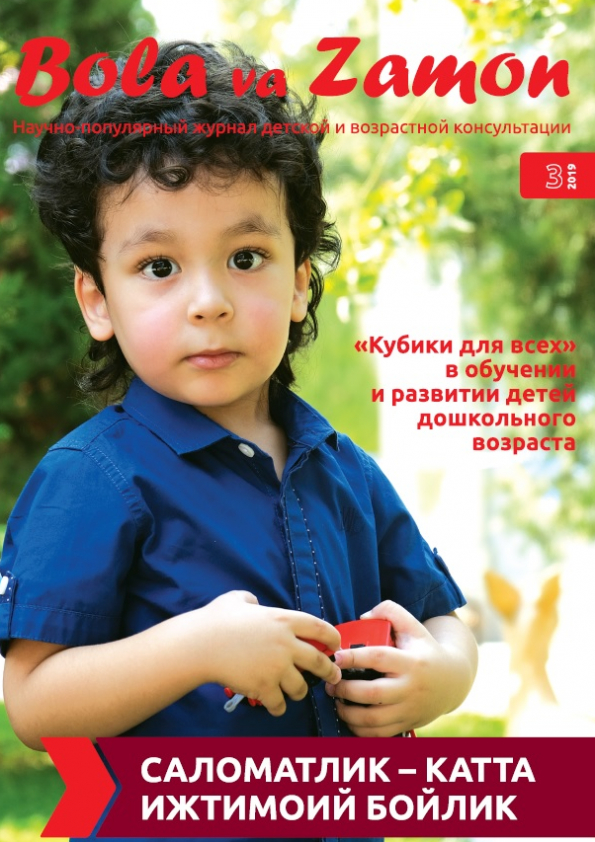

ARTICLE ANNOTATION

AUTHORS
Tags
SIMILAR ARTICLES
- Survey of readers of public libraries in Novosibirsk: the place of the library in science-society communication
INFOLIB–INFORMATION-LIBRARY JOURNAL OF UZBEKISTAN · 10 Sentabr 2026
- SOFTWARE USED FOR CREATING STATISTICAL ANALYSES IN LIBRARIES: DEVELOPMENT DYNAMICS OF SOFTWARE TOOLS AND ANALYSIS OF FUNCTIONAL CAPABILITIES
INFOLIB–INFORMATION-LIBRARY JOURNAL OF UZBEKISTAN · 10 Sentabr 2026
- Not Falling into the Trap of Predatory Publishers: Lessons for Early Career Researchers
INFOLIB–INFORMATION-LIBRARY JOURNAL OF UZBEKISTAN · 9 Sentabr 2026
- Brand Strategy of Libraries in Uzbekistan in the Context of Digitalization
INFOLIB–INFORMATION-LIBRARY JOURNAL OF UZBEKISTAN · 8 Sentabr 2026
- Oral Memory and Testimonies: Source Analysis and Verification Issues
INFOLIB–INFORMATION-LIBRARY JOURNAL OF UZBEKISTAN · 8 Sentabr 2026
- Analysis of the Work of Muhibbuddin Abu Hamid al-Maqdisi “The Hidden Wisdom of God in Bringing the Turkic Peoples to the Lands of Egypt”
INFOLIB–INFORMATION-LIBRARY JOURNAL OF UZBEKISTAN · 8 Sentabr 2026
OTHER ARTICLES IN THIS JOURNAL
- Formation of skills in using information and communication technologies in 6-7 year old children
«Bola va Zamon» / Научно-популярный журнал детской и возрастной консультации · 16 Sentabr 2026
- Changing the status of 'Neither deaf nor hearing'
«Bola va Zamon» / Научно-популярный журнал детской и возрастной консультации · 4 Sentabr 2026
- Milliy qadriyatlar – ma’naviy tarbiya asosi Umumiy o‘rta ta’lim maktab o‘quvchilarini madaniy-tarixiy an’analar asosida tarbiyalash metodikasini takomillashtirishning ijtimoiy-pedagogik zaruriyati
«Bola va Zamon» / Научно-популярный журнал детской и возрастной консультации · 14 Iyul 2026
- Boshlang‘ich sinf o‘quvchilari ijodkorligini rivojlantirish uchun tayyorlangan dasturning samaradorligi
«Bola va Zamon» / Научно-популярный журнал детской и возрастной консультации · 27 Aprel 2026
- Noto‘liq oilalarda farzand va ota munosabatlari
«Bola va Zamon» / Научно-популярный журнал детской и возрастной консультации · 27 Aprel 2026
- Maktabgacha ta’lim muassasasi tarbiyalanuvchilarida kreativlikni rivojlantirish masalalari
«Bola va Zamon» / Научно-популярный журнал детской и возрастной консультации · 27 Aprel 2026
Rate Article
Article Identifiers
DOI:
Not Available
References
O‘zbekiston Respublikasi Vazirlar Mahkamasining 2020-yil 22- dekabrdagi “Maktabgacha ta’lim va tarbiyaning davlat standartini tasdiqlash to‘g‘risida”gi 802-sonli qarori. // https://lex.uz/ uz/docs/5179335.
“Ilk qadam” maktabgacha ta’lim muassasasining davlat o‘quv dasturi. – T., 2018. 21-bet.
Aripov M., Begalov B., Begimqulov Sh., Mamarajabov M. Axborot texnologiyalari. – T.: Noshir, 2009. 368-b.
Abduqodirov A.A., Pardayev A.X. Masofali o‘qitish nazariyasi va amaliyoti. – T.: Fan, 2009. 145 b.
Azizxodjayeva N.N. Pedagogik tadqiqotlarda axborot tizimlari va axborotlari. – T.: Fan, 2018.
Begmatova N.X., Abduqodirova F. Maktabgacha ta’lim muassasalarida kompyuterli ta’limiy va rivojlantiruvchi o‘yinlardan foydalanish. // Maktabgacha ta’limda yangi pedagogik va axborot texnologiyalarini tatbiq etishning dolzarb masalalari. // Respublika ilmiy-amaliy konferensiya materiallari. – Qarshi, 2010.
Begmatova Nodira Xakimovna. “Maktabgacha ta’lim muassasalarida metodik asoslari” (dessirtatsiya). Toshkent. 2012.
Xalikova U.M. Maktabgacha ta’lim muassasalarida axborot-kommunikatsiya texnologiyalaridan foydalanishning dolzarbligi. // Internauka, 2020. 13-2-son.
www.OpenEmis.uz
www.id.egov.uz
www.bbit.uz
www.mdo.uz